Saddle soreness—pain or discomfort in your buttocks, groin, or sit bones when cycling—is one of the most common complaints among riders, from casual commuters to seasoned cyclists. While it’s often dismissed as a “normal” part of riding, persistent or severe pain is a sign of avoidable issues with your gear, posture, body mechanics, or habits. This guide breaks down the root causes of cycling-related butt pain and provides actionable, evidence-based fixes to make every ride comfortable and pain-free.
1. Why Does Your Bum Hurt When Cycling? Key Causes
Butt pain during or after riding rarely stems from a single issue—it’s usually a combination of factors that put excessive pressure on sensitive areas of the pelvic region. Below are the most common causes, organized by category for clarity:
1.1 Equipment Misalignment (The #1 Culprit)
- Ill-Fitting Saddle: The wrong saddle is responsible for 70% of cycling-related butt pain. Issues include:
- Size mismatch: Saddle width must match your sit bone distance (narrow saddles pinch the perineum; wide saddles cause friction on the inner thighs).
- Shape mismatch: Flat saddles pressure the sit bones for upright riders; curved/ergonomic saddles fail for aggressive, forward-leaning positions.
- Material issues: Hard, non-cushioned saddles lack shock absorption; overly soft foam saddles compress too much, increasing pressure on sensitive tissues.
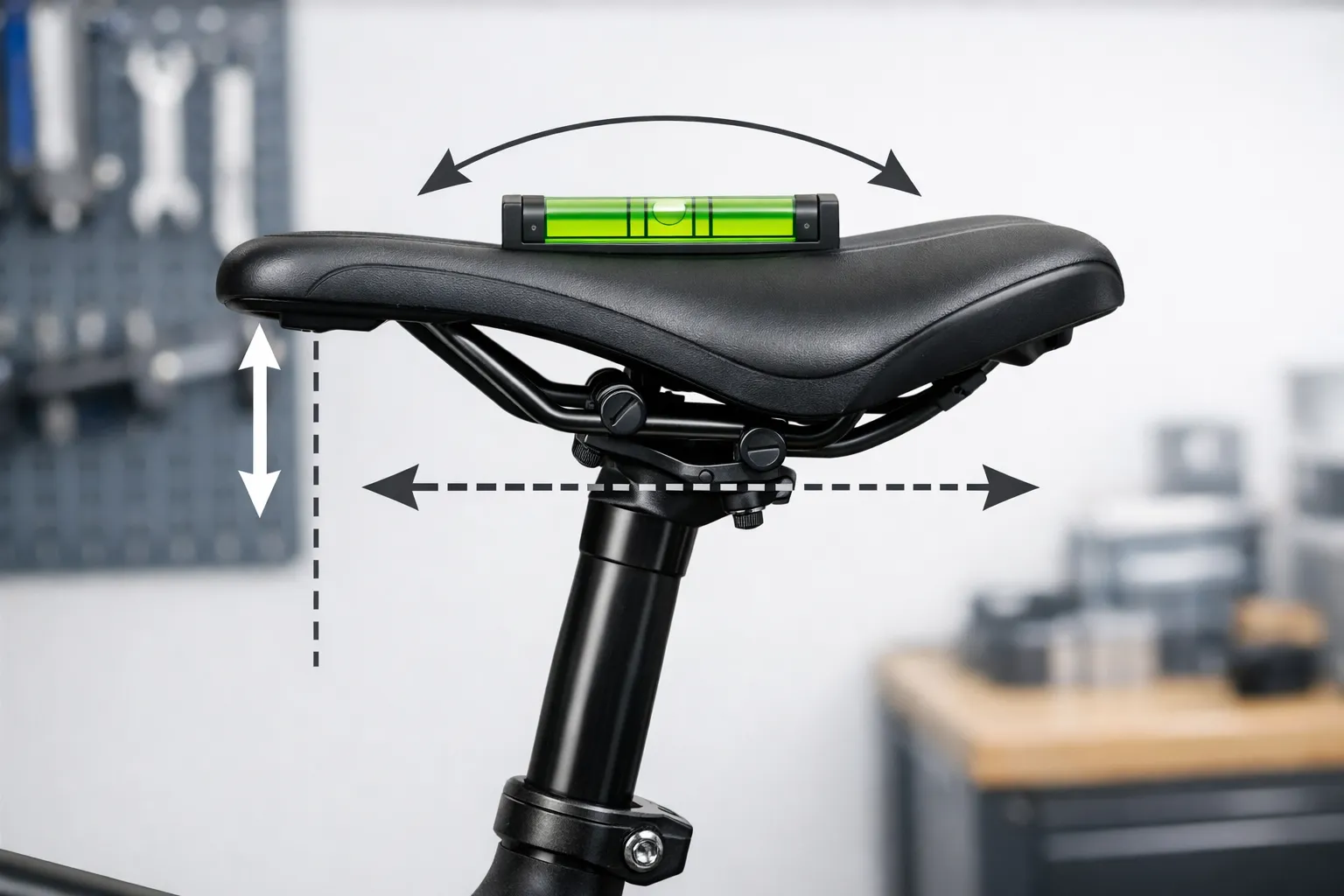
- Poor Saddle Positioning: Even a well-fitted saddle causes pain if misaligned:
- Height: Too low = excessive pressure on the front of the saddle (groin pain); too high = rocking hips, rubbing on sit bones.
- Tilt: A nose-down tilt shifts weight to the sit bones (sharp pain); nose-up tilt pressures the perineum (numbness/burning).
- Fore/aft position: Too far forward = weight on the pelvic bones; too far back = slouching, straining lower back and buttocks.
- Low-Quality Cycling Apparel: Non-padded shorts, cotton clothing, or worn-out chamois (the padded insert in cycling shorts) cause friction and pressure points—cotton retains sweat, worsening chafing and soreness.
1.2 Poor Riding Posture & Body Mechanics
Your body’s position on the bike directly impacts how weight is distributed across the saddle, leading to localized pain:
- Over-reliance on the Saddle: Riders with weak core muscles shift 100% of their upper body weight to the saddle, instead of distributing it across the saddle, pedals, and handlebars (the “three-point contact” rule).
- Static Posture: Staying in the same position for extended periods locks pressure on the same buttock tissues—muscles and nerves become compressed, leading to numbness or sharp pain.
- Rocking Hips: Caused by incorrect saddle height or stiff hips, this motion rubs the sit bones against the saddle, creating friction and soreness over time.
1.3 Physical Factors & Fitness Level
Your body’s unique traits and fitness play a critical role in saddle comfort:
- Core/Glute Weakness: Weak abdominal, lower back, and glute muscles fail to support your torso, forcing the saddle to bear extra weight.
- Pelvic Structure: Women often experience more pain due to wider pelvic bones and sensitive soft tissue; men may face perineal pressure from narrow sit bone spacing.
- Previous Injuries or Conditions: Sciatica, piriformis syndrome, or pelvic floor dysfunction can be exacerbated by cycling, manifesting as butt pain.
- Lack of Flexibility: Tight hamstrings, hip flexors, or lower back muscles pull your body out of alignment, increasing saddle pressure.
1.4 Unhealthy Riding Habits
Small, repeated habits compound to cause chronic butt pain:
- Sudden Increases in Ride Duration/Intensity: Jumping from 30-minute rides to 2-hour rides gives your body no time to adapt to saddle pressure.
- Infrequent Breaks: Riding non-stop for over an hour without standing up (even for 10-15 seconds) traps blood flow in the buttocks, leading to numbness and pain.
- Ignoring Early Discomfort: Mild soreness that’s dismissed as “normal” can develop into chronic pain, nerve damage, or even saddle sores (painful skin lesions).
2. Fixes to Eliminate Cycling-Related Bum Pain
The solutions to saddle soreness are targeted to the root cause—start with the easiest, most impactful fixes (equipment adjustments) before moving to posture/physical changes:
2.1 Optimize Your Saddle (Highest Impact Fix)
- Measure Your Sit Bone Width: Use a sit bone gauge (available at bike shops) or a DIY method (sit on a piece of cardboard covered in foil, measure the distance between the two indentations). Choose a saddle 2-3cm wider than this measurement to support the sit bones without pinching.
- Choose the Right Saddle Shape:
- Upright riders (commuters/hybrid bikes): Wide, flat, or slightly curved saddles with ample padding.
- Aggressive riders (road/mountain bikes): Narrower, firmer saddles with a cutout (relieves perineal pressure).
- Women-specific saddles: Wider at the rear (matches female pelvic width) with reduced nose padding.
- Adjust Saddle Position Correctly:
- Height: When the pedal is at the bottom of the stroke, your leg should be almost straight (knee slightly bent, ~5-10°).
- Tilt: Set the saddle level (use a spirit level) or a 1-2° nose-down tilt (avoids perineal pressure).
- Fore/aft: Position the saddle so the ball of your foot aligns with the pedal axle when the crank is horizontal.
2.2 Upgrade Your Cycling Apparel
- Invest in high-quality cycling shorts with a seamless, moisture-wicking chamois (avoid cheap, bulky padding that shifts during rides).
- Never wear underwear under cycling shorts (seams and fabric cause friction).
- Use chamois cream for long rides (reduces friction, prevents chafing, and has antibacterial properties to avoid saddle sores).
2.3 Correct Your Riding Posture & Mechanics
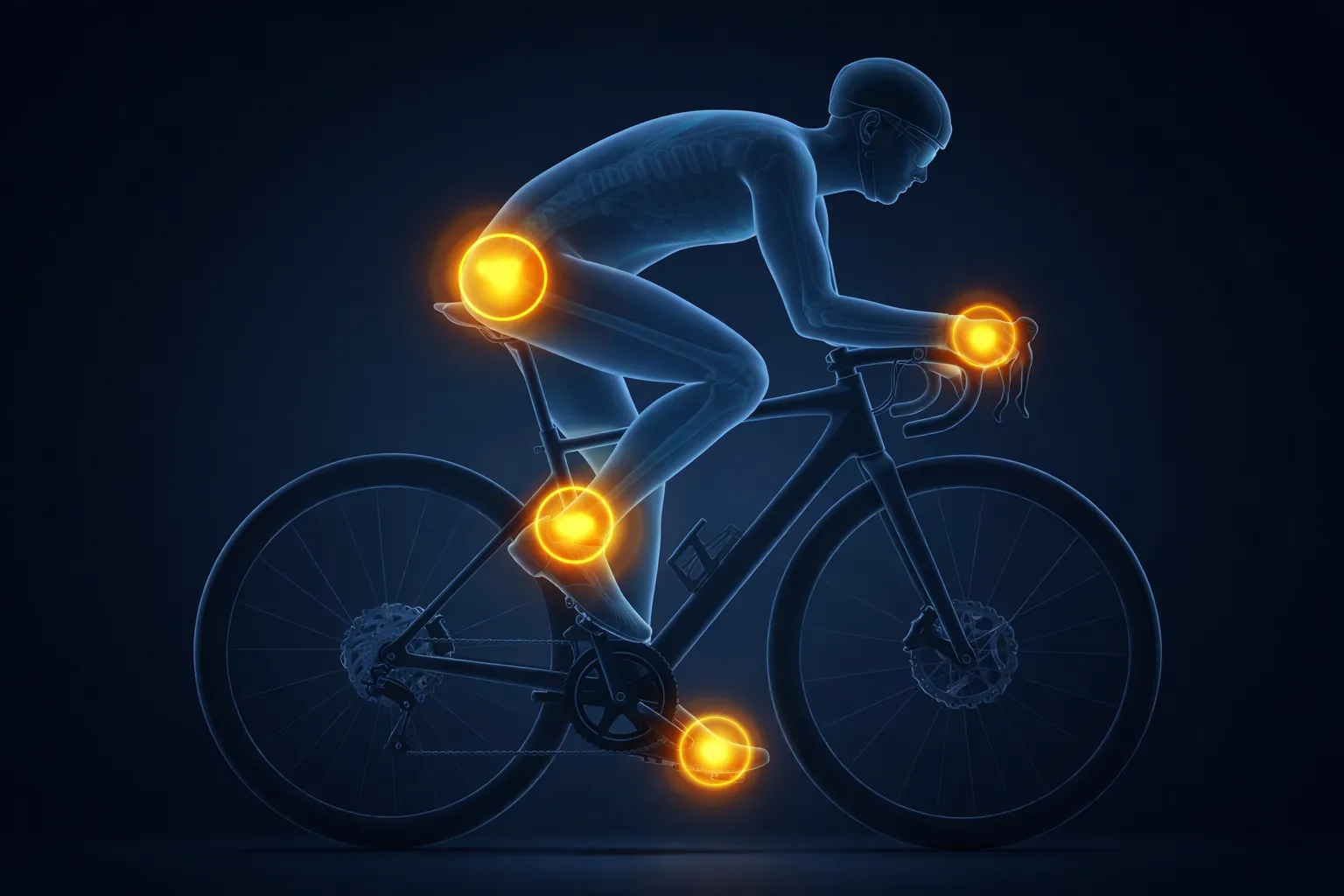
- Master Three-Point Contact: Distribute weight evenly across the saddle (60%), pedals (30%), and handlebars (10%). Lighten your grip on the handlebars to reduce upper body weight on the saddle.
- Move Frequently: Stand up on the pedals every 5-10 minutes (even for 10 seconds) to relieve pressure and restore blood flow to the buttocks.
- Relax Your Hips: Avoid tensing your glutes or hips—keep them loose to absorb road vibrations and reduce friction on the saddle.
2.4 Build Strength & Flexibility
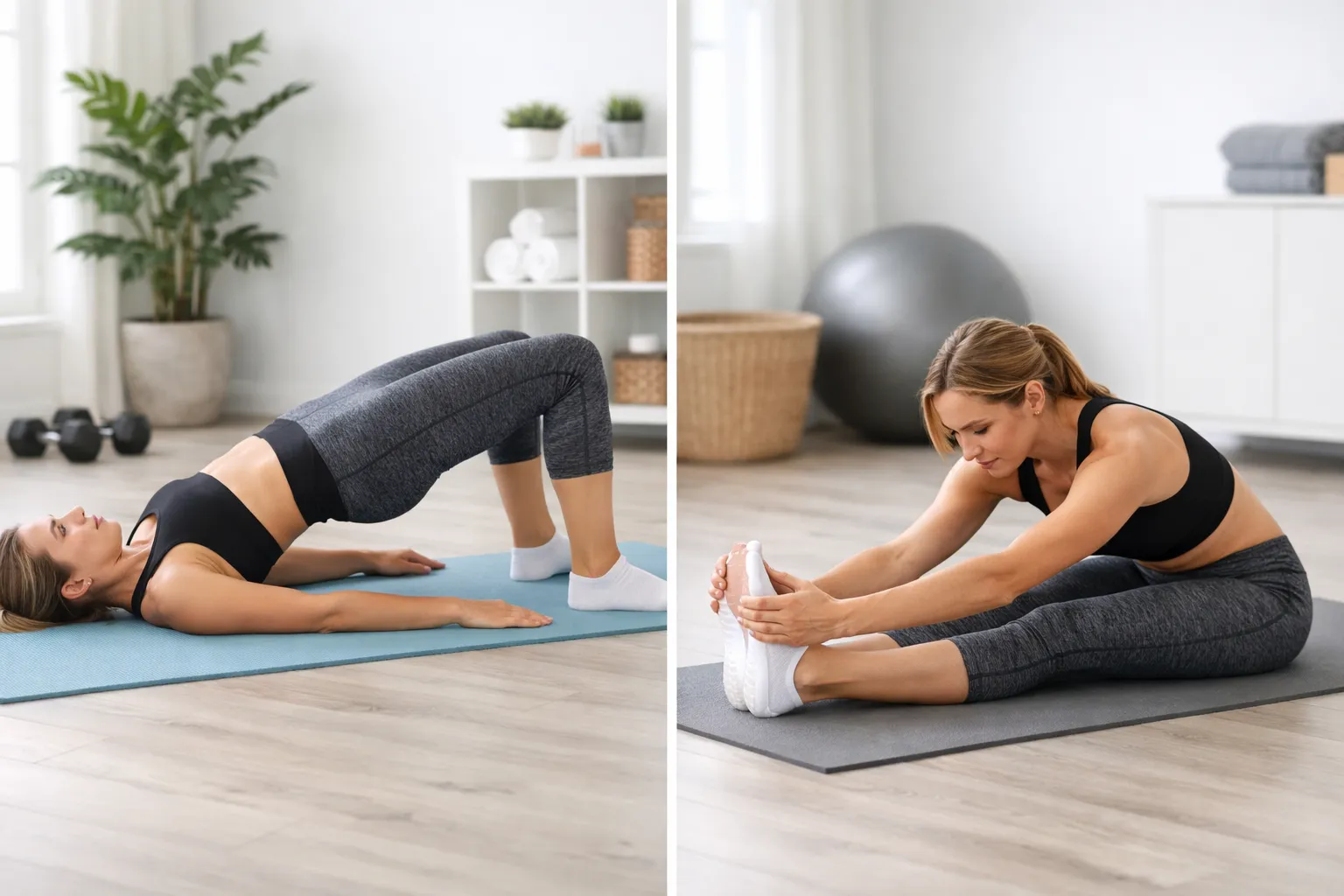
- Core & Glute Exercises: Planks, glute bridges, side planks, and clamshells build the muscles needed to support your torso on the bike.
- Stretching Routine: Stretch hamstrings, hip flexors, and lower back before/after rides (e.g., pigeon pose, forward folds, cat-cow stretches) to improve flexibility and alignment.
- Pelvic Floor Training: Kegel exercises strengthen the pelvic floor muscles, reducing pressure on the perineum during rides (especially helpful for women).
2.5 Adopt Sustainable Riding Habits
- Gradually increase ride duration (add 10-15 minutes per week) to let your body adapt to saddle pressure.
- Take short breaks every hour on long rides—step off the bike, walk around, and stretch your glutes/hips.
- Post-ride care: Clean the saddle and your skin (shower with mild soap) to prevent saddle sores; apply moisturizer to sore areas to reduce irritation.
3. When to Seek Professional Help
Most saddle soreness resolves with the above fixes, but persistent pain may indicate a more serious issue. See a doctor or bike fit specialist if you experience:
- Sharp, shooting pain in the buttocks or down the legs (sign of sciatica or nerve compression).
- Persistent numbness (more than a few hours post-ride) or tingling in the groin/perineum (may signal nerve damage).
- Open sores, blisters, or infections (saddle sores that don’t heal with basic care).
- Pain that worsens over time, even after adjusting your gear/posture.
4. Final Notes: Patience is Key
Eliminating butt pain from cycling takes time—your body needs 2-4 weeks to adapt to new equipment, posture, or habits. Avoid the temptation to “tough it out” through pain; this only leads to chronic issues. Start with small changes (e.g., adjusting saddle tilt, wearing chamois cream) and track what works for your body—every rider’s needs are unique, so customize these fixes to your riding style, body type, and goals.
Remember: Comfortable riding isn’t a luxury—it’s essential for enjoying cycling long-term. By addressing the root causes of saddle soreness (not just masking the pain), you’ll turn every ride from a painful chore into a comfortable, enjoyable experience.


