Cycling is a versatile activity enjoyed by millions worldwide, but the performance and longevity of your bike hinge heavily on how well you adapt its maintenance to changing environmental and situational conditions. From scorching summer heat and monsoon downpours to freezing winters and rough off-road terrain, every shift in weather, season, or road conditions demands targeted care. This in-depth guide will break down the science behind bike degradation in variable conditions and provide actionable, step-by-step maintenance strategies to keep your ride safe, efficient, and durable.
1. Understanding the Impact of Changing Conditions on Your Bike
Before diving into maintenance tactics, it’s critical to grasp how environmental shifts damage your bike at a component level. Bikes are engineered to perform optimally within specific parameters, and deviations—such as extreme temperatures, moisture, dust, or uneven surfaces—disrupt these parameters, accelerating wear and tear. Key stressors include:
- Temperature Fluctuations: Extreme heat breaks down lubricants, weakens rubber (tires, brake pads), and warps plastic or carbon fiber components. Freezing cold stiffens cables, thickens oils, and risks water freezing in crevices (e.g., brake calipers), causing cracks or malfunctions.
- Moisture: Rain, snow, or high humidity promotes rust (on chains, gears, and metal hardware), corrodes aluminum frames, and damages electronic components (e.g., e-bike batteries, electronic shifting systems).
- Abrasive Elements: Dust, sand, mud, and road salt (in winter) act as abrasives, wearing down moving parts like chains, cassettes, derailleurs, and brake pads far faster than normal use.
- Terrain Shifts: Switching between smooth tarmac, gravel, mountain trails, or potholed roads alters stress distribution—for example, mountain biking places more strain on suspension and tires, while road cycling demands precision in shifting and braking.
The golden rule of adaptive bike maintenance is: Anticipate changes, not just react to them. Proactive care tailored to upcoming conditions will extend your bike’s lifespan and prevent costly breakdowns mid-ride.
2. Seasonal Maintenance: Adapting to Temperature and Weather Cycles
Seasons are the most predictable “changing conditions” cyclists face, and each demands a distinct maintenance routine. Below is a season-by-season breakdown of critical tasks, focusing on high-impact components.
2.1 Spring: Thaw, Refresh, and Prepare for Variable Weather
Spring brings rising temperatures, rain, and melting snow—along with residual salt, grime, and wear from winter storage. Key goals: Clean winter buildup, inspect for cold-weather damage, and prep for wet/dry fluctuations.
- Tires & Wheels: Check for cracks in rubber (caused by winter cold) and embedded debris (glass, thorns). Adjust tire pressure to spring levels—typically 30–50 psi for mountain bikes, 80–100 psi for road bikes (lower for wet roads to improve traction). Inspect rims for dents and spokes for tension; winter potholes often loosen spokes.
- Chain & Drivetrain: Winter salt and moisture cause rust and grime buildup. Use a degreaser (avoid harsh chemicals on carbon frames) to clean the chain, cassette, and derailleurs. Dry thoroughly, then apply a wet-lube (ideal for spring’s rainy conditions—wet lube is thicker and resists washout, though it attracts more dust).
- Brakes: Inspect brake pads for wear (replace if less than 1mm of pad material remains) and clean brake rotors (for disc brakes) or rims (for rim brakes) with isopropyl alcohol to remove salt residue—salt reduces braking efficiency. Check brake cables for fraying; winter cold can make cables stiff, so lubricate cable housings if needed.
- Frame & Suspension: Wash the frame with mild soap and water, paying extra attention to crevices (e.g., bottom bracket, headset) where salt and grime accumulate. For suspension forks/shocks, bleed air if needed (spring’s warmer temperatures increase air pressure) and check for oil leaks. Lubricate headset and bottom bracket bearings.
2.2 Summer: Beat the Heat and Dust
Summer brings high temperatures, intense sunlight, and dry dust—two major threats: heat-related component degradation and abrasive dust wear. Key goals: Cool critical parts, protect against UV damage, and combat dust buildup.
- Tires & Wheels: Heat causes air to expand, so reduce tire pressure by 5–10 psi (compared to spring) to avoid blowouts. Use a puncture-resistant tire liner if riding in dusty areas (dust often hides thorns or glass). Inspect tires for UV damage (cracking or brittleness) and rotate tires every 500 miles to ensure even wear.
- Chain & Drivetrain: Switch to a dry-lube—dry lube is lighter, less viscous, and doesn’t attract dust (critical for summer’s dry conditions). Clean the chain every 100–150 miles (more often if riding in heavy dust) to remove abrasive particles. Check for chain stretch (use a chain checker tool—replace if stretch exceeds 0.75%; stretched chains wear cassettes and chainrings faster).
- Brakes: Heat is the enemy of brakes—disc brakes are prone to overheating in summer, especially on long descents. Avoid prolonged hard braking; use intermittent braking to let rotors cool. Inspect brake fluid (for hydraulic disc brakes) and top up with the manufacturer-recommended fluid (heat can degrade fluid over time). For rim brakes, check rim temperature during rides—overheated rims can warp or fail.
- Frame & Electronics: Protect the frame from UV rays with a bike-specific wax or sealant (especially important for carbon frames, which can degrade under prolonged sunlight). For e-bikes, avoid leaving batteries in direct sunlight (high temperatures reduce battery lifespan) and keep battery contacts clean. Lubricate moving parts (e.g., derailleur pivots) sparingly—excess lube attracts dust.
2.3 Fall: Navigate Leaves, Dampness, and Cooling Temperatures
Fall brings cooler temperatures, damp mornings, fallen leaves, and occasional rain—leaves clog components, dampness promotes rust, and cooling air thickens lubricants. Key goals: Clear debris, prevent rust, and transition to winter-ready maintenance.
- Tires & Wheels: Leaves are slippery and hide hazards (sticks, rocks), so use tires with deeper tread (for mountain bikes) or slightly lower tire pressure (for road bikes) to improve traction. Clean rims and tire treads after every ride—leaf residue reduces braking grip. Inspect for embedded debris in tires (fallen thorns or acorns are common).
- Chain & Drivetrain: Switch back to wet-lube as dampness increases. Clean the chain more frequently (every 75–100 miles) to remove leaf mulch and moisture. Check derailleur alignment—fallen leaves can knock derailleurs out of adjustment, causing poor shifting.
- Brakes: Leaf debris clogs brake calipers (disc brakes) and sticks to rim surfaces (rim brakes)—clean after every ride with a soft brush and isopropyl alcohol. Check brake pad alignment; misaligned pads wear unevenly and reduce stopping power. For hydraulic brakes, bleed fluid if it appears dark (fall’s temperature drops can cause fluid condensation).
- Frame & Suspension: Wash the frame weekly to remove leaf mold and damp grime. Inspect frame welds (aluminum) or joints (carbon) for cracks—fall’s rough terrain (e.g., fallen branches) increases impact risk. For suspension, switch to a lighter oil (if recommended by the manufacturer) to compensate for cooling temperatures (thicker oil in cold weather reduces suspension responsiveness).
2.4 Winter: Conquer Cold, Snow, and Road Salt
Winter is the harshest season for bikes: freezing temperatures, snow, ice, and road salt (used to melt ice) cause rapid rust, component stiffening, and rubber degradation. Key goals: Protect against salt corrosion, ensure cold-weather functionality, and minimize wear.
- Tires & Wheels: Use winter tires (for road bikes) or studded tires (for icy terrain)—these have deeper tread and softer rubber (remains flexible in cold). Keep tire pressure 10–15 psi lower than summer (cold air contracts, and lower pressure improves traction on snow/ice). Avoid using carbon wheels in winter if possible—road salt can corrode carbon fibers; aluminum wheels are more durable.
- Chain & Drivetrain: Use a winter-specific lubricant (formulated to resist freezing and salt corrosion—look for “low-temperature” or “salt-resistant” labels). Clean the chain after every ride with a salt-neutralizing cleaner (avoid water if temperatures are below freezing, as water will freeze and damage bearings). Dry thoroughly and reapply lube immediately.
- Brakes: For disc brakes, use winter brake pads (softer compound that performs better in cold). Keep brake rotors dry—ice on rotors reduces braking power; use a hair dryer (on low heat) to melt ice before rides. For rim brakes, avoid riding in heavy snow (snow clogs calipers); if you do, clean rims and pads immediately after. Check cables for freezing—lubricate with a silicone-based lube (resists freezing).
- Frame & Storage: Wash the frame after every ride with a salt-neutralizing cleaner (never use hot water on a cold frame—it can cause cracks). Dry thoroughly, then apply a corrosion inhibitor (e.g., WD-40) to metal components (chainrings, bolts, headset). Store the bike indoors (above freezing) to prevent bearings from freezing. For e-bikes, remove the battery when storing and keep it at room temperature.
3. Handling Sudden Weather & Terrain Changes (On-the-Go Maintenance)
Even with seasonal prep, cyclists often face unexpected changes—e.g., a sudden downpour during a summer ride, or a detour onto rough gravel when planning a road ride. Below are actionable on-the-go maintenance tips to stay safe and avoid breakdowns.
3.1 Sudden Rain or Wet Weather
- Reduce speed and avoid hard braking—wet surfaces reduce traction (especially rim brakes, which lose efficiency on wet rims).
- If riding with dry-lube, wipe excess lube from the chain with a rag (dry-lube washes out quickly in rain; excess lube attracts mud).
- After the ride: Dry the chain, derailleurs, and brakes immediately. Apply wet-lube and clean brake rotors/rims to remove water and debris.
3.2 Extreme Heat or Sunlight
- Stop periodically to let brakes cool—touch brake rotors (carefully!) to check for overheating (too hot to touch = risk of failure).
- Store your bike in shade if possible—avoid leaving it in direct sunlight for hours (UV damage to rubber and carbon).
- Carry a small bottle of water to spray brake rotors (lightly) during long descents (only if rotors are extremely hot—avoid dousing cold rotors with hot water, as this can warp them).
3.3 Rough Terrain (Gravel, Mud, or Potholes)
- Lower tire pressure by 5–10 psi (road bikes) or 10–15 psi (mountain bikes) to absorb impacts and improve traction.
- Avoid sudden shifts—rough terrain can damage derailleurs; shift gradually and only when pedaling lightly.
- After the ride: Clean the frame, wheels, and drivetrain thoroughly (mud and gravel are highly abrasive). Check for bent rims, loose spokes, or damaged derailleur hangers.
4. Advanced Maintenance: Component-Specific Care for Changing Conditions
To take your maintenance to the next level, focus on component-specific needs—different parts react differently to environmental changes. Below are key components and their adaptive care requirements.
4.1 Chain & Drivetrain (The Most Wear-Prone System)
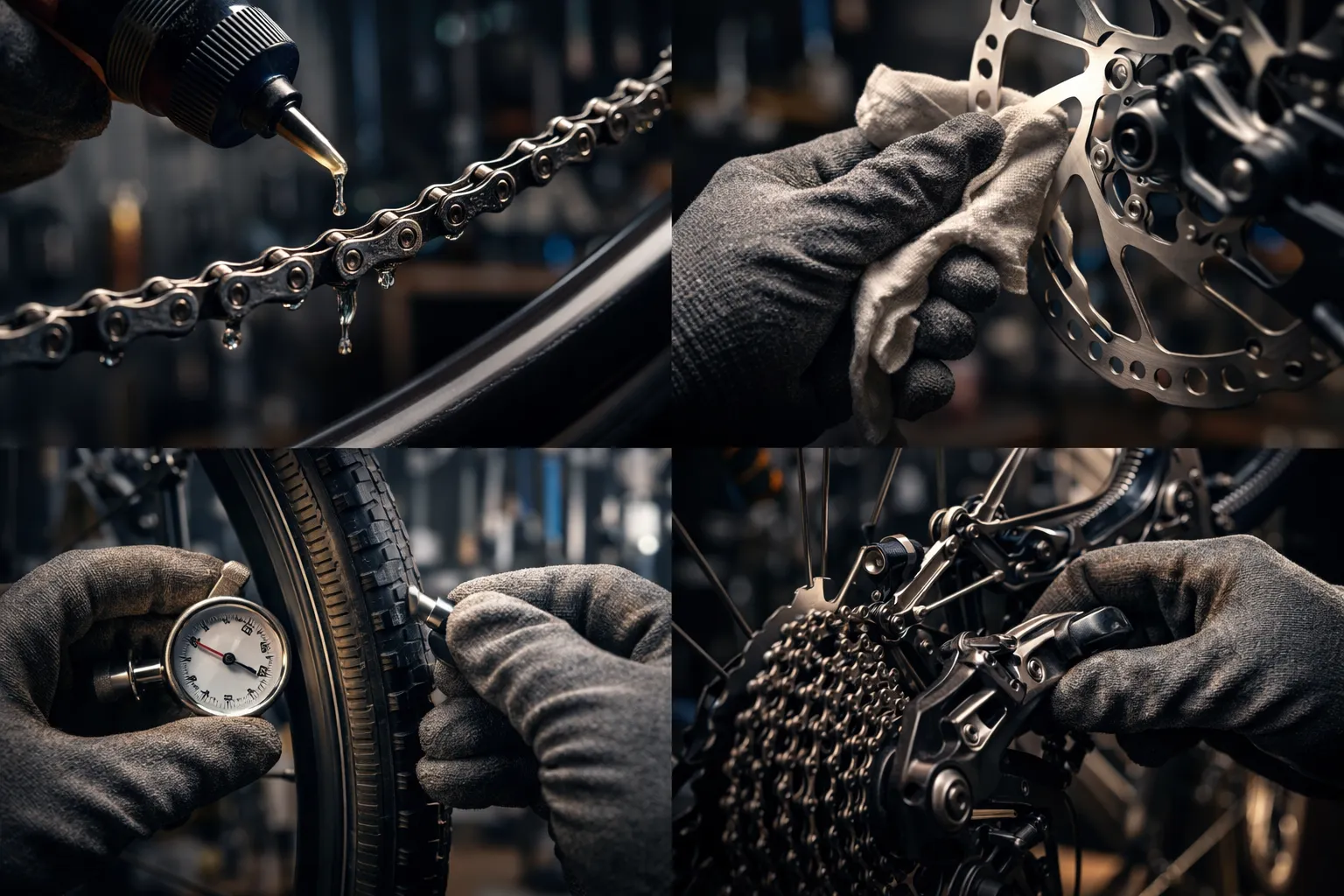
The drivetrain (chain, cassette, chainrings, derailleurs) is exposed to all environmental stressors—moisture, dust, salt, and temperature fluctuations. Key tips:
- Lube Selection Matrix: Match lube to conditions: Wet-lube (rain, snow, spring/fall dampness); Dry-lube (summer dust, dry roads); Winter-lube (freezing temperatures, salt).
- Chain Stretch Monitoring: Use a chain checker every 200 miles—stretched chains (0.75%+ stretch) wear cassettes and chainrings, which are far more expensive to replace than chains.
- Derailleur Adjustment: Temperature changes (e.g., hot summer days or cold winter mornings) can cause cables to expand/contract, misaligning derailleurs. Use the barrel adjuster to fine-tune shifting on the go.
4.2 Brakes (Safety-Critical Component)
Brakes are non-negotiable for safety, and their performance degrades sharply in changing conditions. Key tips:
- Disc Brakes: Avoid spraying lube on rotors—if you do, clean with isopropyl alcohol and a degreaser. Check for rotor warping (caused by heat or impact) by spinning the wheel—if the rotor rubs the caliper, straighten it with a rotor truing tool.
- Rim Brakes: Keep rims clean (debris reduces grip) and replace worn brake pads (less than 1mm material = risk of rim damage). In wet weather, ride with slightly looser brake cables (prevents pad squeal).
- Hydraulic Brakes: Bleed fluid every 6–12 months (more often in extreme conditions)—old fluid absorbs moisture, reducing braking power and corroding the system.
4.3 Tires (First Line of Defense Against Conditions)
Tires are your bike’s only contact with the ground, so their condition directly impacts safety and performance. Key tips:
- Pressure Adjustment: Use this general guide (adjust based on rider weight and tire width):
- Road bikes: 70–90 psi (winter/wet), 80–100 psi (summer/dry)
- Mountain bikes: 20–30 psi (winter/mud), 30–40 psi (summer/dry)
- Gravel bikes: 40–60 psi (winter/wet), 50–70 psi (summer/dry)
- Rubber Condition: Replace tires if you see cracks (UV damage), bulges (internal damage), or worn tread (less than 2mm depth).
4.4 E-Bike Components (Battery, Motor, Electronics)
E-bikes have additional components that are sensitive to changing conditions. Key tips:
- Battery: Keep charged between 20–80% (avoid full charge/discharge in extreme temperatures). Store at 50–77°F (10–25°C) and avoid direct sunlight. In winter, keep the battery warm (e.g., in a jacket pocket) before riding—cold reduces capacity.
- Motor & Electronics: Keep connections clean and dry (use dielectric grease on contacts to repel moisture). Avoid submerging the motor in water (most are water-resistant, not waterproof). In winter, let the motor warm up (ride slowly for the first 5 minutes) to improve performance.
5. Essential Tools & Products for Adaptive Maintenance
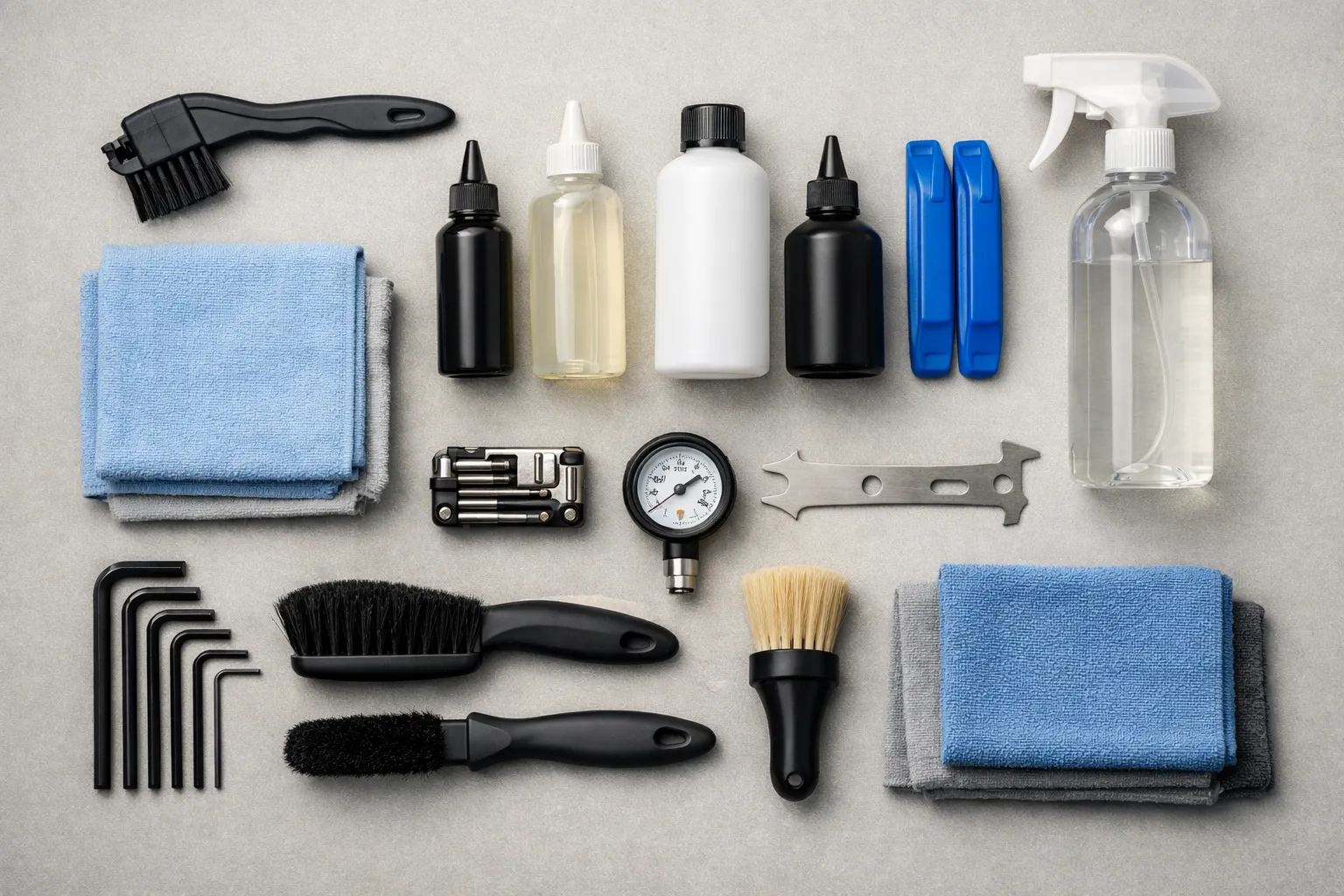
To execute the above strategies, you’ll need a toolkit tailored to changing conditions. Below is a curated list of must-have items:
- Cleaning Supplies: Mild bike soap, salt-neutralizing cleaner, degreaser (biodegradable for eco-friendliness), soft brushes (for drivetrain and crevices), microfiber rags.
- Lubricants: Wet-lube, dry-lube, winter-specific lube, silicone-based cable lube.
- Tools: Chain checker, tire lever, portable pump (with pressure gauge), wrench set (hex and socket), rotor truing tool, spoke wrench, derailleur hanger alignment tool.
- Protective Gear: Bike cover (for storage), corrosion inhibitor (WD-40 or bike-specific), UV protectant (for frame and rubber), puncture-resistant tire liners.
- On-the-Go Kit: Small multitool, spare tube, patch kit, mini pump, isopropyl alcohol wipes, rag, small bottle of lube.
6. Conclusion: Build a Habit of Adaptive Maintenance
Maintaining a bike in changing conditions is not about perfection—it’s about consistency and adaptability. By understanding how weather, seasons, and terrain impact your bike’s components, you can anticipate needs rather than reacting to breakdowns. Remember these core takeaways:
- Match maintenance to conditions: Lube type, tire pressure, and component checks should change with seasons and weather.
- Prioritize high-impact components: Drivetrain, brakes, and tires are the most critical for safety and performance—focus on these first.
- Clean regularly: Dirt, salt, and moisture are the biggest enemies of bike longevity—clean after rides in harsh conditions.
- Inspect often: A 5-minute pre-ride check (tires, brakes, chain) can prevent dangerous breakdowns.
By integrating these practices into your routine, you’ll not only extend your bike’s lifespan but also enjoy safer, smoother rides—no matter what conditions Mother Nature throws your way. Happy cycling!


